
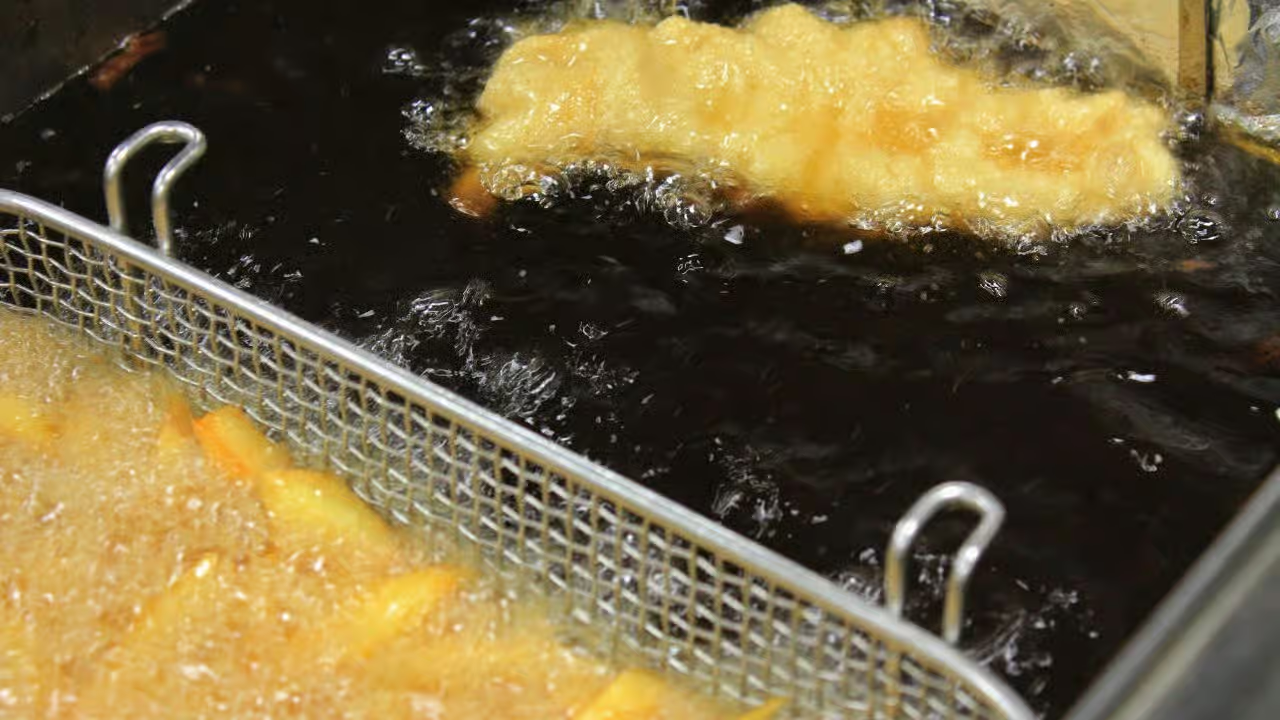
Creating a Cost Plan with a Smart Fryer Oil Replacement Schedule
In the bustling world of culinary arts, efficiency and cost-effectiveness are paramount. One area where these principles can be particularly impactful is in managing fryer oil usage. A smart fryer oil replacement schedule not only ensures food quality but also contributes significantly to cost savings. Crafting a comprehensive cost plan around this schedule requires a blend of strategic planning and practical implementation.
The first step in creating an effective cost plan involves understanding the lifecycle of your fryer oil. This begins with recognizing the signs that indicate when oil needs replacing, such as changes in color, odor, or taste, which can affect food quality and customer satisfaction. Many establishments fall into the trap of either changing their oil too frequently or not frequently enough—both scenarios lead to unnecessary expenses or compromised product quality.
To optimize this process, investing in technology can be beneficial. Modern fryers equipped with sensors that monitor oil quality provide real-time data on when an oil change is necessary. These smart fryers help reduce waste by ensuring that you only replace the oil when it truly needs it rather than adhering to a rigid schedule that might not align with actual usage patterns.
Once you have determined how often your specific operation needs to replace its fryer oil replacement schedule based on empirical data rather than guesswork, you can begin constructing your cost plan. Start by calculating your current expenditure on fryer oils over a given period—this will serve as your baseline budget.
Next, incorporate the insights gained from monitoring equipment into this budget framework. For example, if technology indicates fewer replacements are needed than previously estimated due to optimized use schedules or better-quality oils being used initially, adjust future budgets accordingly to reflect these savings.
Additionally, consider negotiating bulk purchase agreements with suppliers for further financial benefits without compromising on quality standards; buying larger quantities at discounted rates could enhance overall savings within your established budgetary constraints while still maintaining high standards across all operations involved directly related specifically towards frying processes themselves!
Training staff plays another crucial role here: Educate them about proper filtration techniques alongside regular maintenance routines designed explicitly towards extending each batch’s lifespan beyond typical expectations set forth initially during initial setup phases themselves! Properly trained personnel ensure consistent adherence throughout entire teams working cohesively together toward common goals aimed squarely at maximizing available resources effectively without sacrificing any aspect whatsoever regarding either taste profiles nor presentation aesthetics alike!
Ultimately though remember always remain flexible enough adapt quickly should unforeseen circumstances arise requiring immediate adjustments made swiftly yet decisively whenever necessary thereby guaranteeing continued success long-term perspectives considered fully realized eventually achieved through diligent efforts undertaken today paving way brighter futures tomorrow!